
Building Archery Consistency and Better Drills with Your Paper Tuner
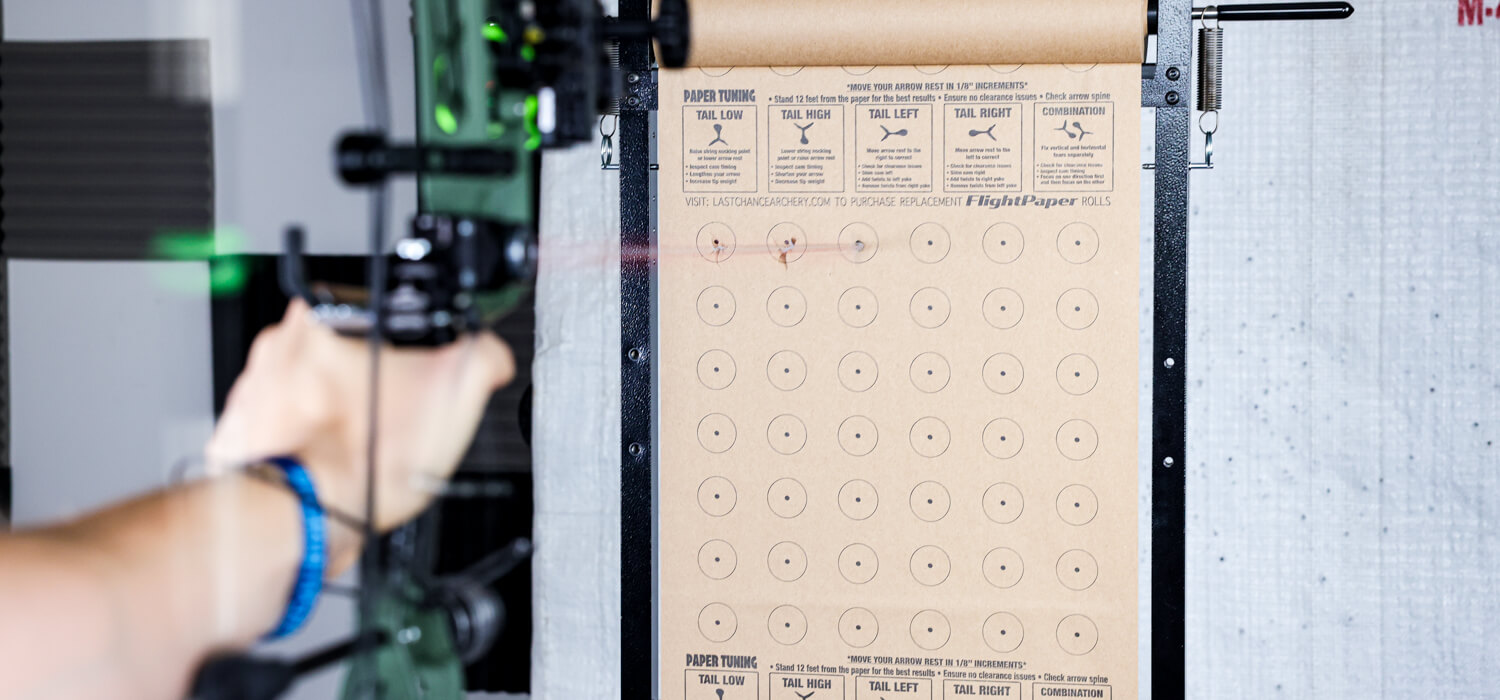
Getting your grip right is not easy. For most archers, the challenge is not just learning what a good grip feels like. The real problem is that you do not always get clear feedback from shot to shot. You may think your grip is correct, consistent, and repeatable, but unless you have a way to measure what the bow is doing at launch, you are often guessing. That is where a paper tuner becomes more than just a bow-tuning tool. It becomes a training tool. A paper tuner, like the LCA FlightCheck archery paper tuner & custom archery paper tuning FlightPaper from Last Chance Archery, can help you see what is happening when the arrow leaves the bow. Grip changes have a direct effect on arrow flight. Slight changes in hand rotation, wrist tension, or relaxation can cause your paper tear to change from shot to shot. By standing in front of the paper and shooting multiple arrows, you can check the consistency of your form, confirm your tune, nock tune arrows, and make sure every arrow in your setup is producing the same hole. Used correctly, paper tuning is not just about fixing the bow. It is about training the archer.
You may think your grip is correct, consistent, and repeatable, but unless you have a way to measure what the bow is doing at launch, you are often guessing. That is where a paper tuner becomes more than just a bow-tuning tool. It becomes a training tool.
Getting the Grip Right
Grip is always a topic of discussion in archery. Everyone has an opinion, and what is considered “right” is often debated. The truth is, you can get away with a lot as long as it is consistent. There are even top professional archers who shoot with a noticeable amount of clockwise torque in the bow hand for a right-handed shooter. Their bows are set up and tuned to produce straight arrow flight with that specific torque pattern. To most shooters, that kind of tune may look unusual. It may not be standard. It may even look a little wild. But because those archers apply the same pressure the same way every time, the bow can be tuned around it. That does not mean most shooters should go looking for torque. It simply proves the point: consistency is king. For most archers, the goal should be to build a clean, simple grip that is easy to repeat and easy to tune.
A Simple Four-Step Grip Process
Here are the basic steps for finding a grip that is clean, repeatable, and less likely to create random torque.
Step One: Hold Your Hand Flat to the Floor
Start by holding your bow hand flat, with the palm facing the floor. This helps put the hand in a neutral starting position before placing it into the bow grip.
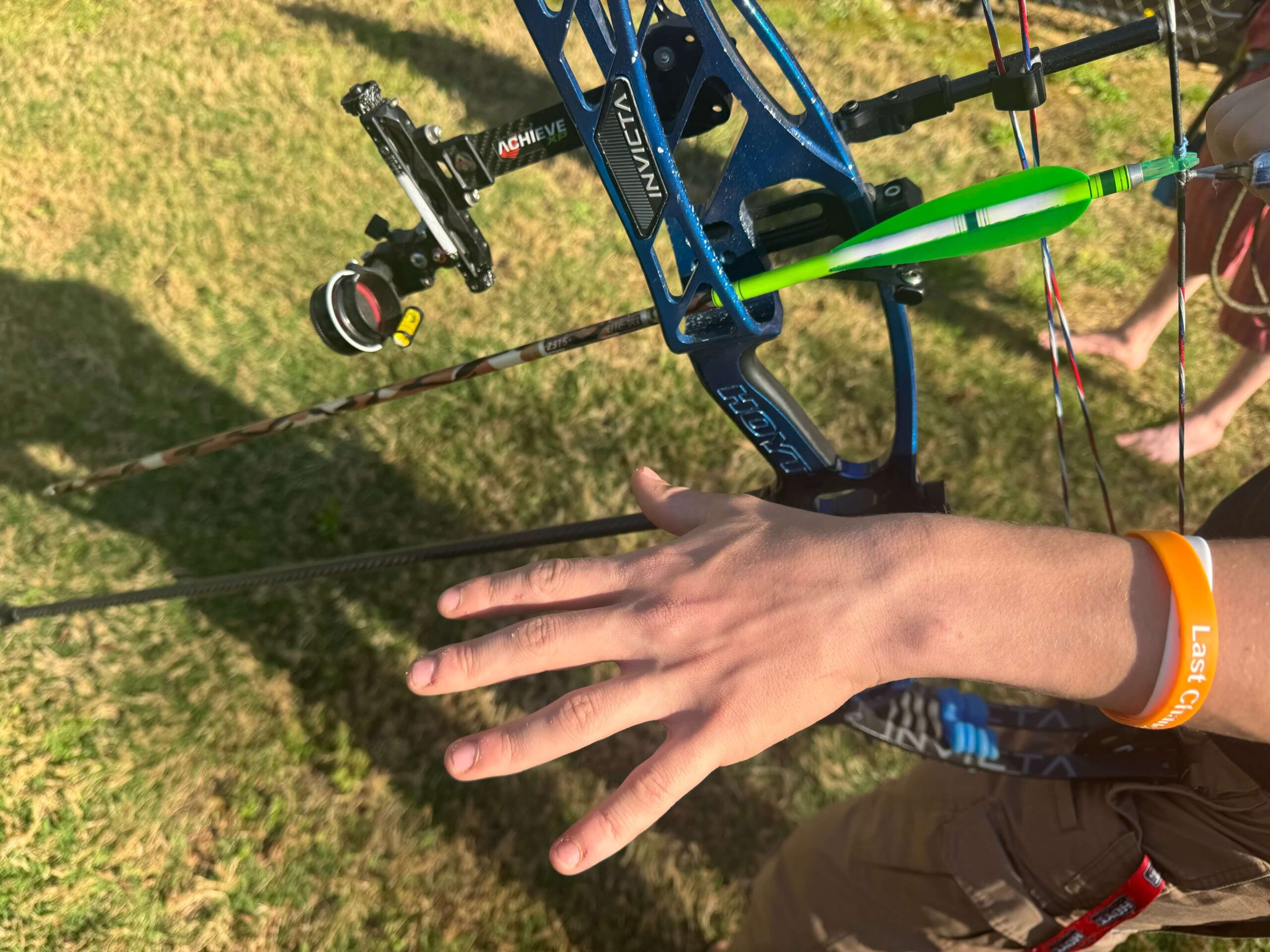
Step Two: Point Your Thumb Toward the Target
Next, point your thumb toward the target. This lines up the “V” between your thumb and forefinger with your forearm. That alignment is important because it helps keep the pressure running straight through the arm instead of twisting the bow left or right.
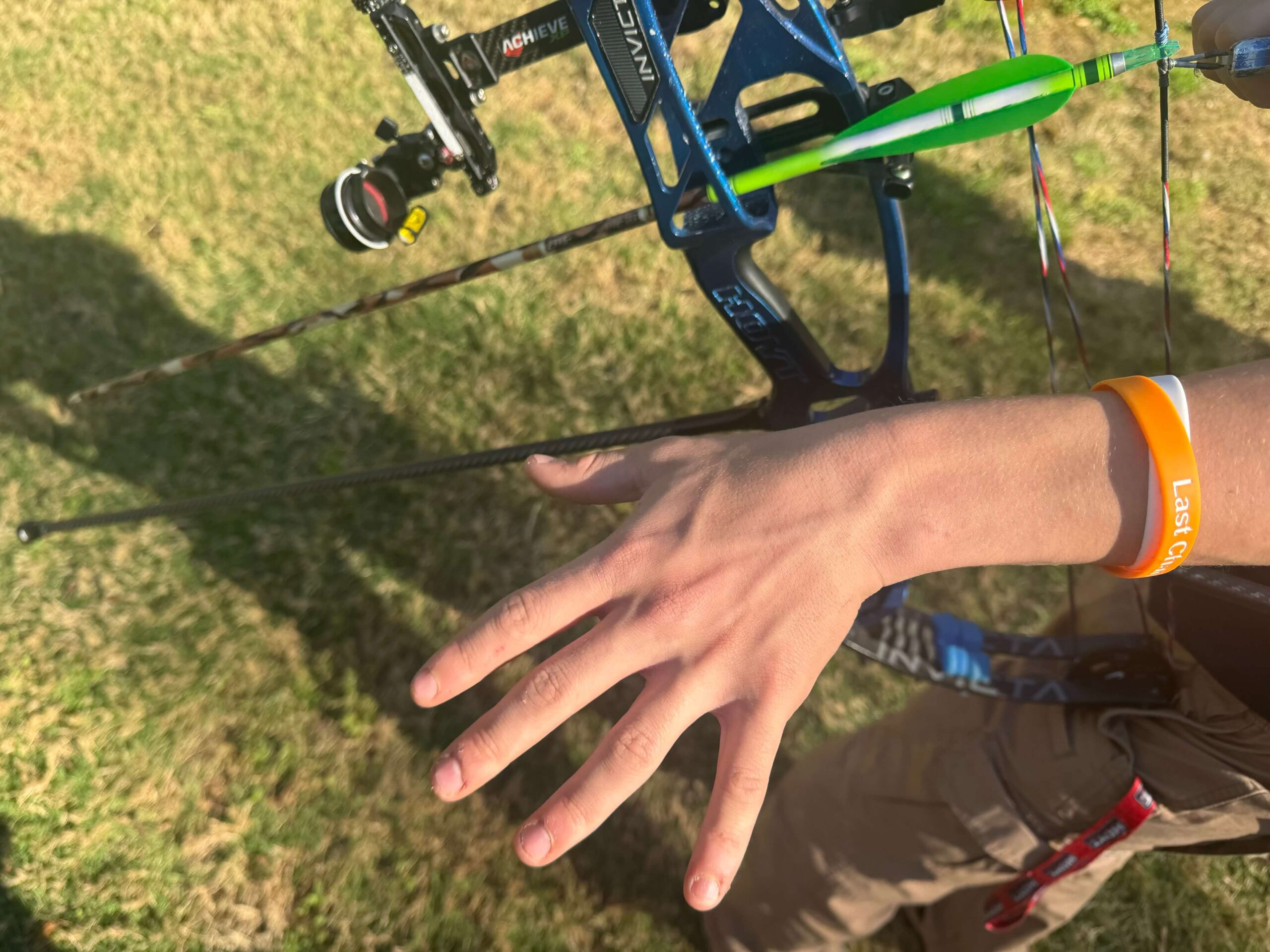
Step Three: Set the “V” into the Throat of the Grip
Place the bottom of that “V” into the throat of the grip. Then lightly squeeze the thumb and forefinger together, closing the gap just enough to create a comfortable, light grasp around the grip. This is not a hard squeeze. It is simply enough contact to help the hand stay organized and repeatable.
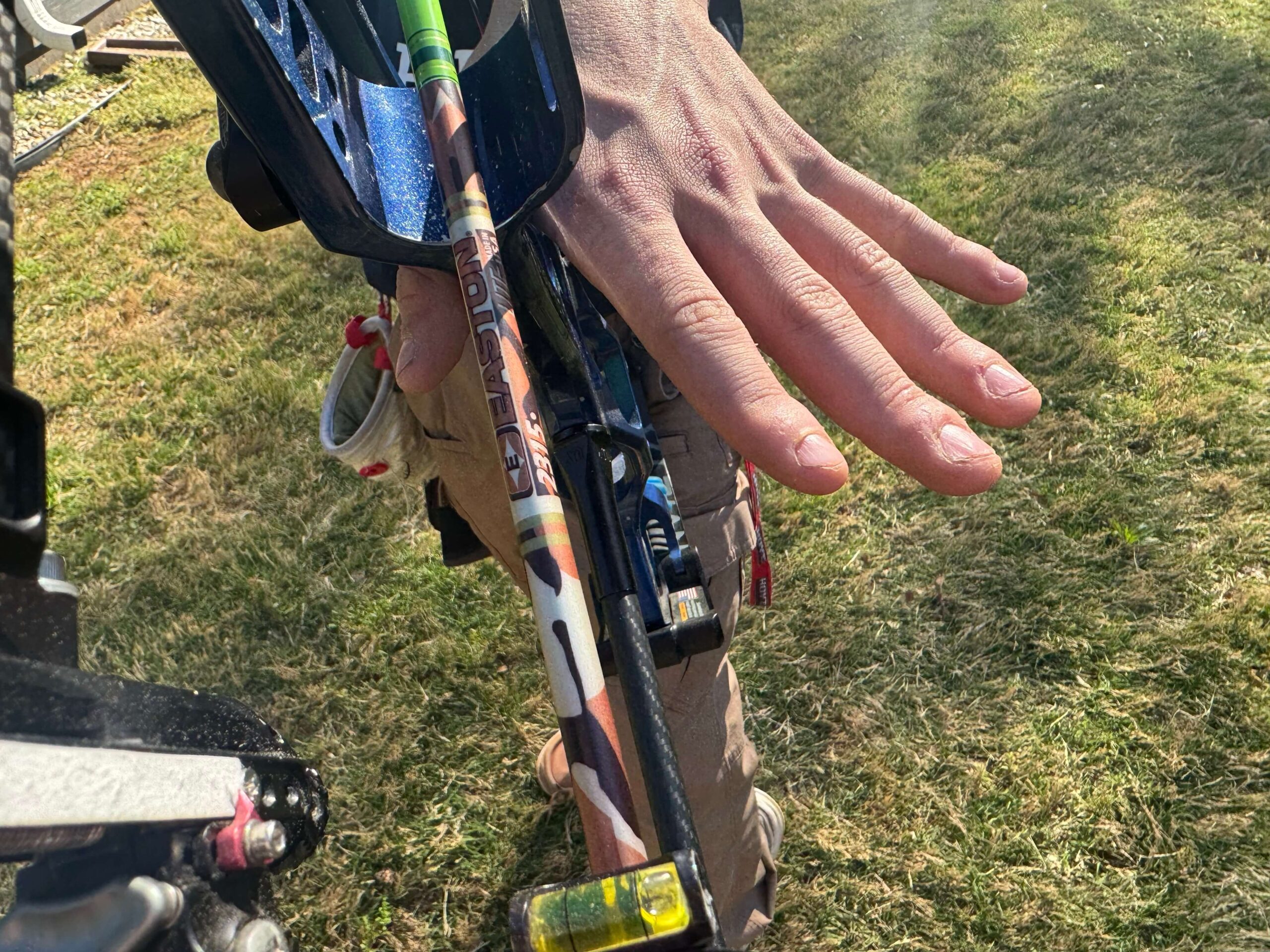
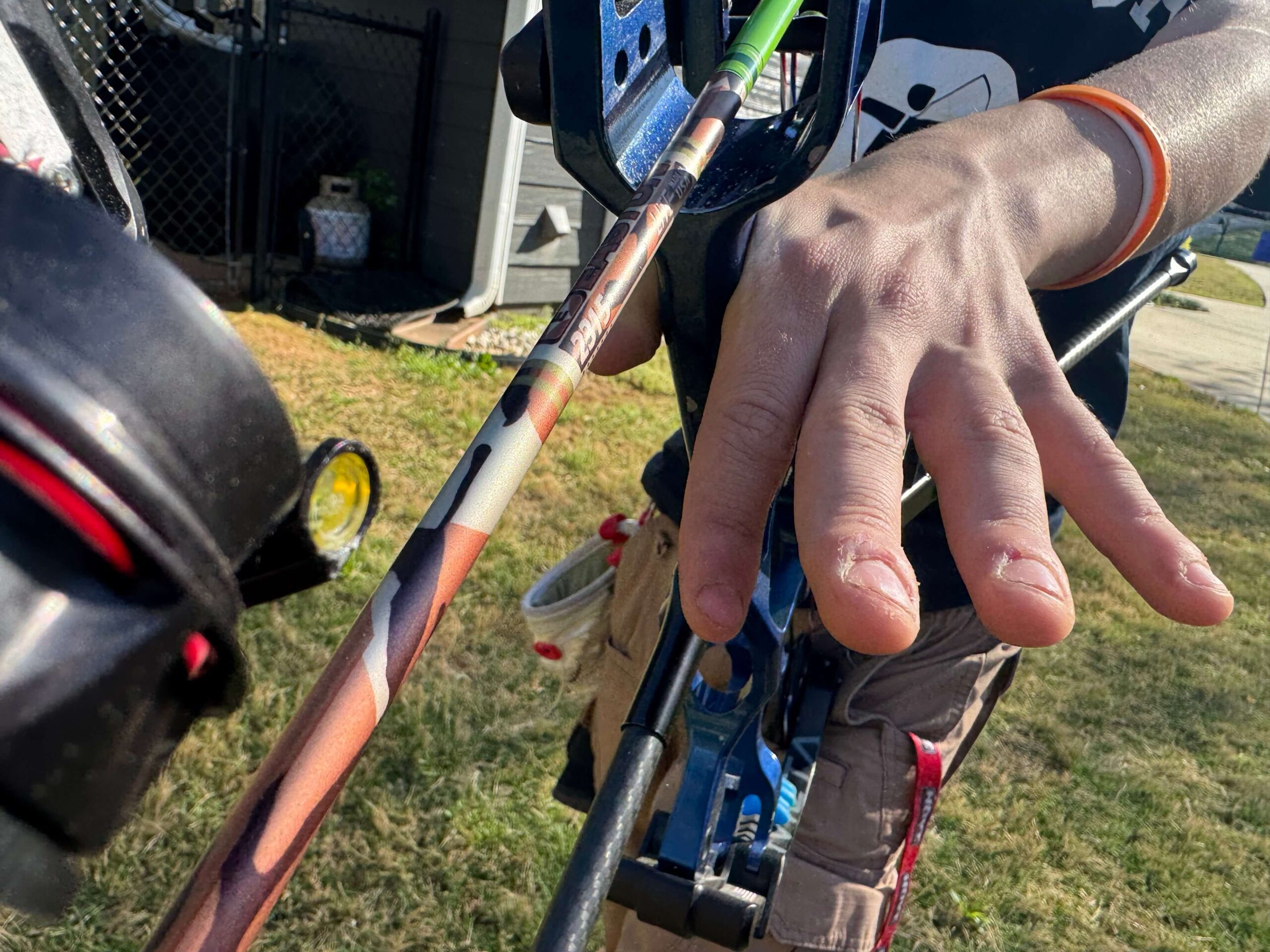
Step Four: Set Even Pressure
Bend the wrist until the thumb pad and palm have even pressure against the grip surface. During the draw, aim, shot execution, and follow-through, maintain that same light grasp in the throat of the grip. This helps protect against random torque and keeps the direction of the grip pressure consistent. At a blank bale, repeat these steps as accurately as possible until the position begins to feel normal. Most new changes do not feel comfortable at first. That does not mean they are wrong. With enough correct repetitions, you will begin to master the grip’s shape, feel, and pressure.
Using the FlightCheck & FlightPaper as a Grip Trainer
This is where the FlightCheck becomes especially valuable. Stand in front of the FlightPaper and shoot a series of arrows through it. Aiming at the shooting dots
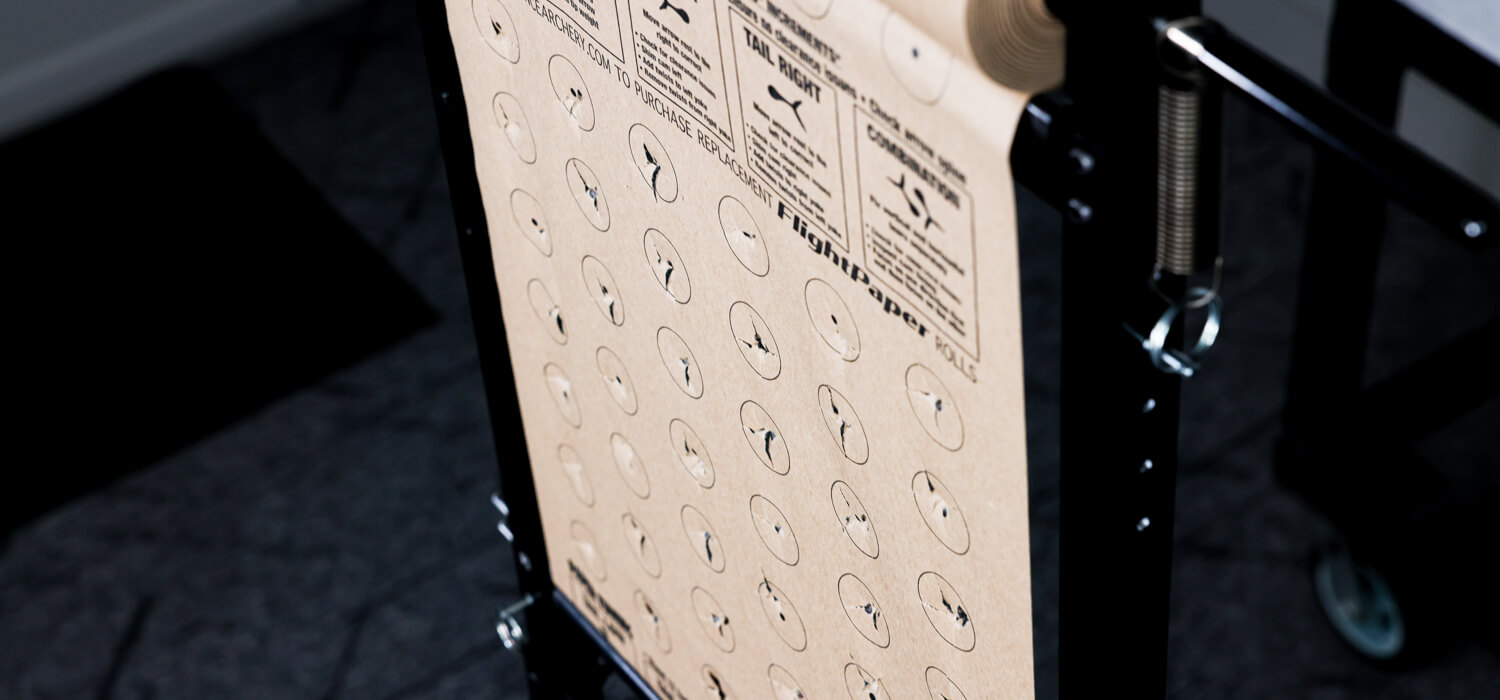
that are printed on the FlightPaper. If your grip is consistent, you should see the same tear from shot to shot. If the tear changes, something changed at the bow. That “something” may be your grip pressure, wrist position, bow-hand tension, or overall execution. The paper gives you feedback you can actually see. This drill is simple but powerful. It teaches you to connect your feelings to the result. Over time, you begin to understand what a good shot feels like, what a poor grip does to arrow flight, and how small changes in hand pressure affect the tune.
Checking Arrow Consistency
Paper tuning is also one of the best ways to check your arrows. Shoot every arrow through the paper. They should all produce the same tear pattern. This is a quick and effective way to catch problems before they show up in a tournament, hunt, or important scoring round. Before packing my bow for a trip, I like to do one final check. I replace my nocks to keep them fresh, then shoot every arrow through paper to confirm they are all behaving the same. If one arrow does not match the others, I shoot it again to rule out human error. Typically, if an arrow is bent, has a bent pin, or has a bad nock, it will still tear consistently, but the tear will be different from the rest of the dozen. At that point, you can spin-check the arrow with the LCA Square Up arrow squaring tool or Revolution Arrow Tuner arrow spin tester, broadhead tuning, and arrow squaring tool, replace the pin, change the nock, and test it again. That small step gives you confidence in your equipment that many shooters never get. Instead of wondering whether you have a bad arrow, you know.

Separating Equipment Problems from Shooting Problems
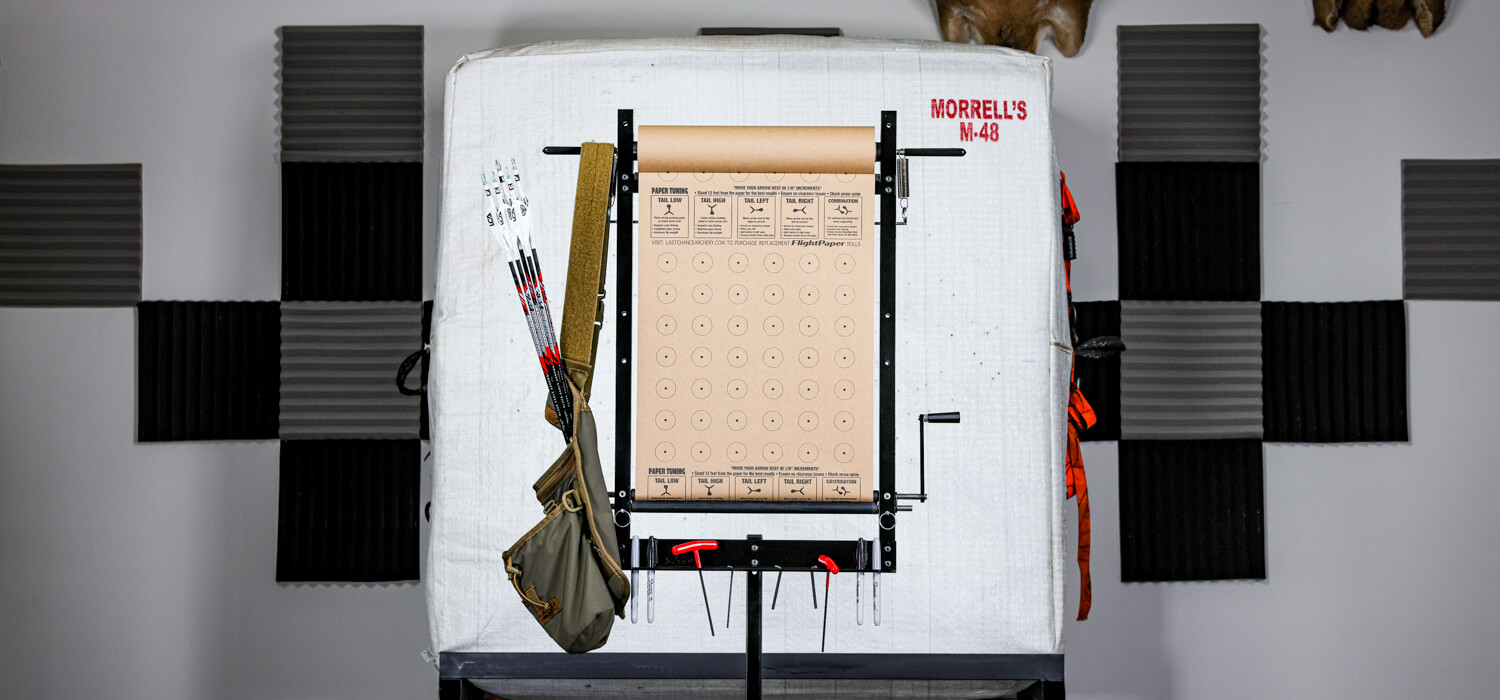
Anytime I am struggling with my shooting, one of the first things I do is shoot an arrow through paper. If the bow produces the tear I expect, I know the equipment is still in shape. That allows me to stop chasing the bow and start looking at my technique. If the tear has changed, then I know something in the setup may have moved, or something in my execution has shifted. That is the real value of having a paper tuner available. It helps separate equipment problems from shooting problems. Without that feedback, it is easy to waste time making random adjustments or blaming yourself when something mechanical has changed. It is just as easy to blame the bow when the real issue is inconsistent form. The paper gives you a starting point. And when paper tuning, I use the LCA FlightPaper; it’s the best archery paper tuning paper roll on the market. So many cool features, it’s so much more than paper alone.


Better Feedback Builds Better Archers
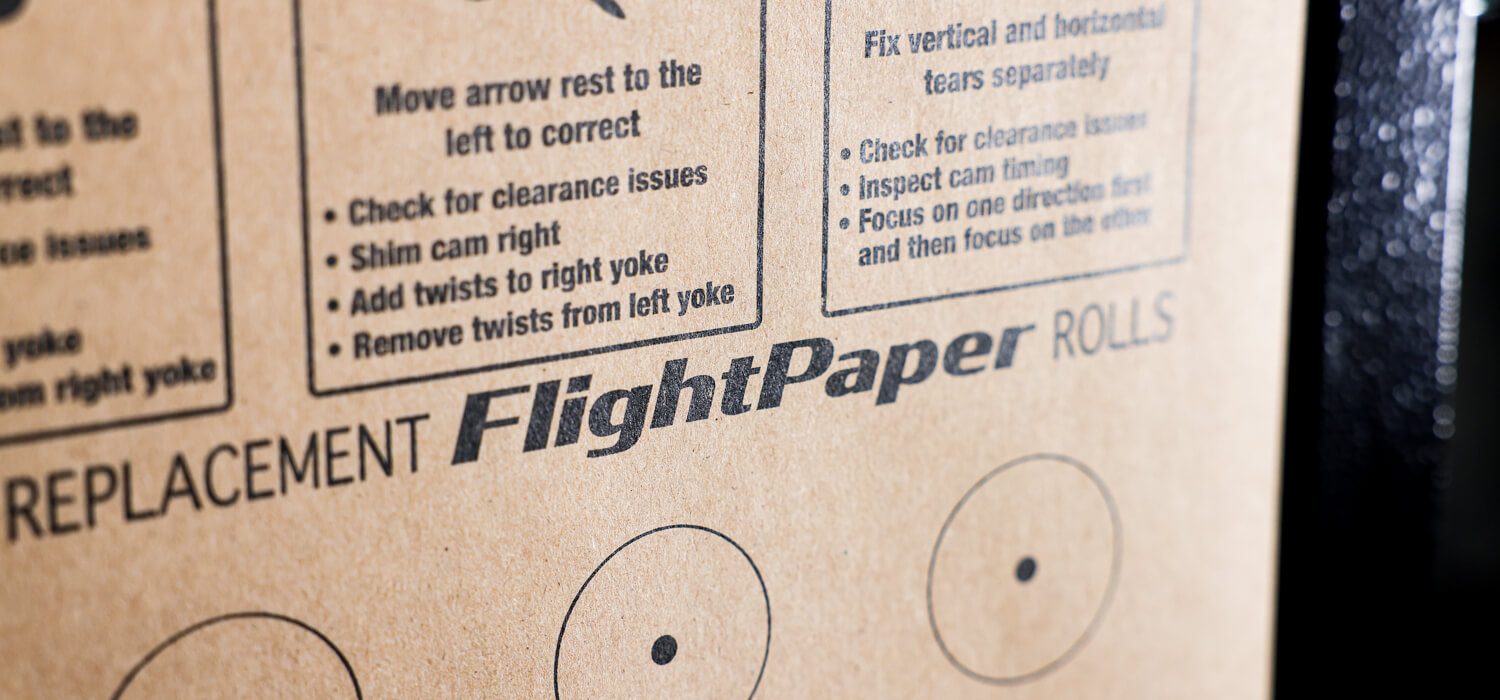
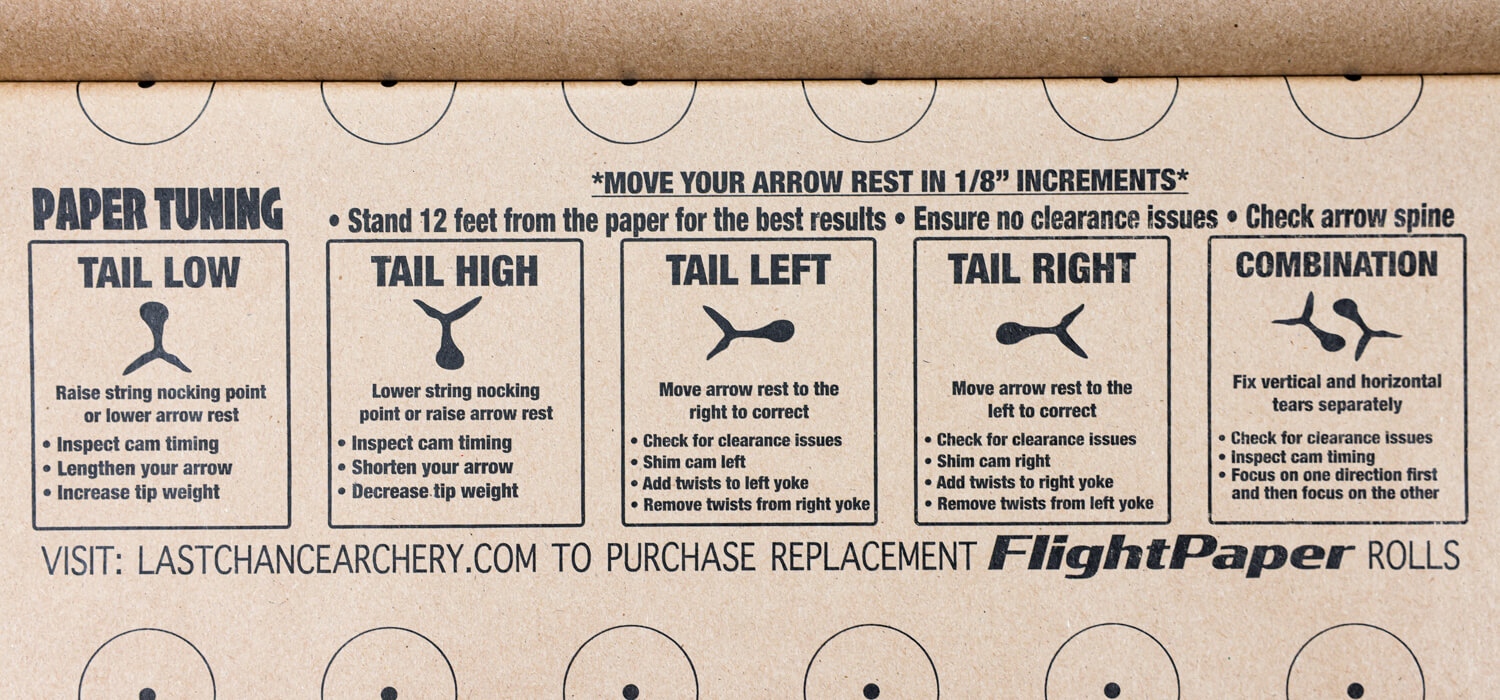
The FlightCheck from Last Chance Archery is more than a tuning station. It is a feedback system. The FlightPaper roll not only has aiming dots, but it also has tuning instructions printed right on the paper, so it’s always right in front of you while you’re shooting and tuning. It makes paper tuning a breeze, and using it as an aiming/shooting system is an added bonus. Used regularly, it can help you build a more repeatable grip, verify your tune, check your arrows, and develop confidence in both your equipment and your execution. You do not have to change your bow setup to benefit from paper tuning. Sometimes the greatest value comes from simply confirming that everything is still doing what it is supposed to do. A clean paper tear is not the entire game, but it is one of the clearest windows into what is happening at the shot. For any archer trying to become more consistent, that kind of instant feedback is hard to beat. The better you understand what the bow is telling you, the faster you can improve. And sometimes, the simplest tool in the shop can become one of the most powerful tools in your training.
What’s Next: Is It You, or Is It the Gear?
In the next article (coming soon), we will discuss how to determine whether it’s you or the gear causing inaccurate shots. Including how you can use the LCA FlightCheck archery paper tuner & custom archery paper tuning FlightPaper while training to make your shooting technique more solid and consistent. Thank you for reading.
Want To Train With Me?
You can get personal coaching—either online via Zoom or in person— by visiting ImproveMyArchery.com. I coach compound, Olympic recurve, and barebow for all ages and skill levels.
Archery is my life, and if you’re serious about getting better, I’d love to work with you.


About the Author


Comments (0)